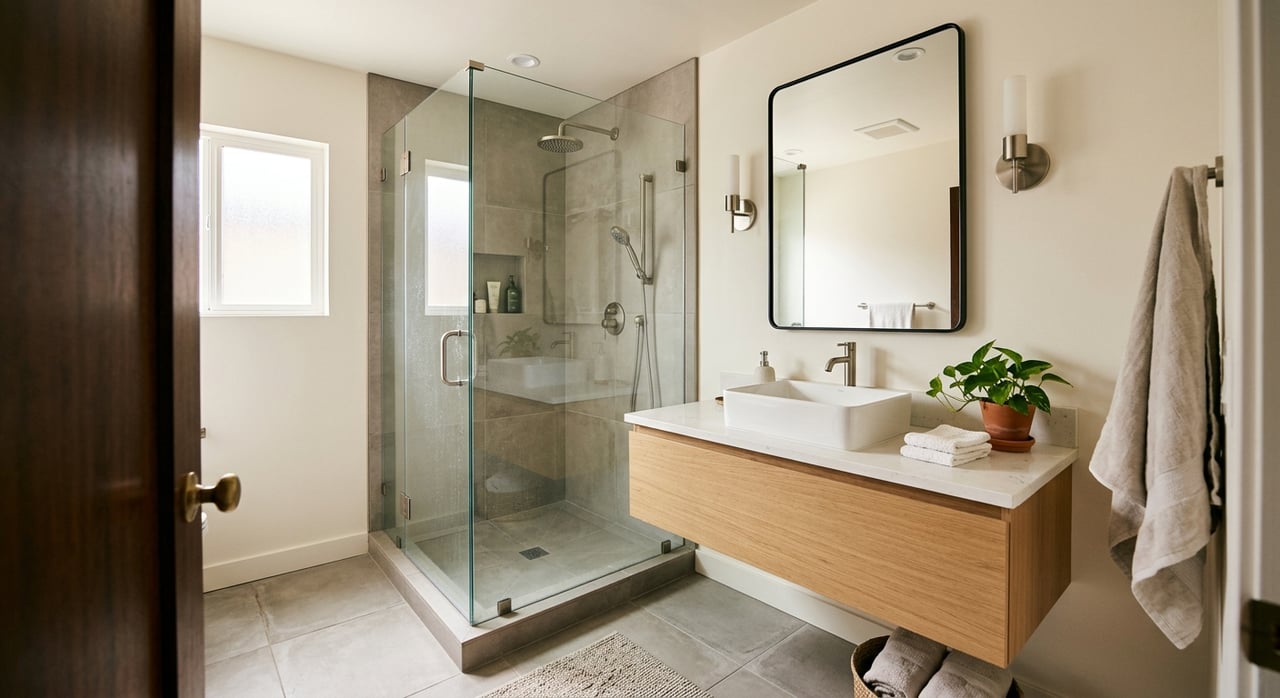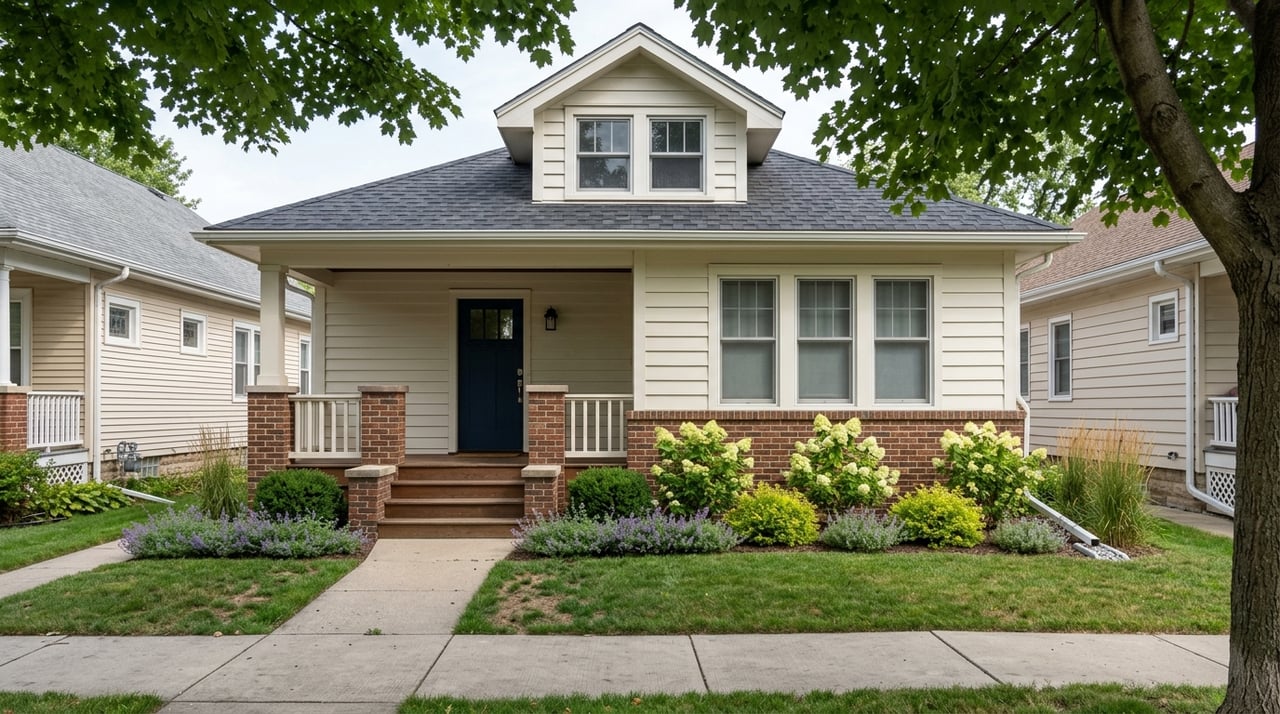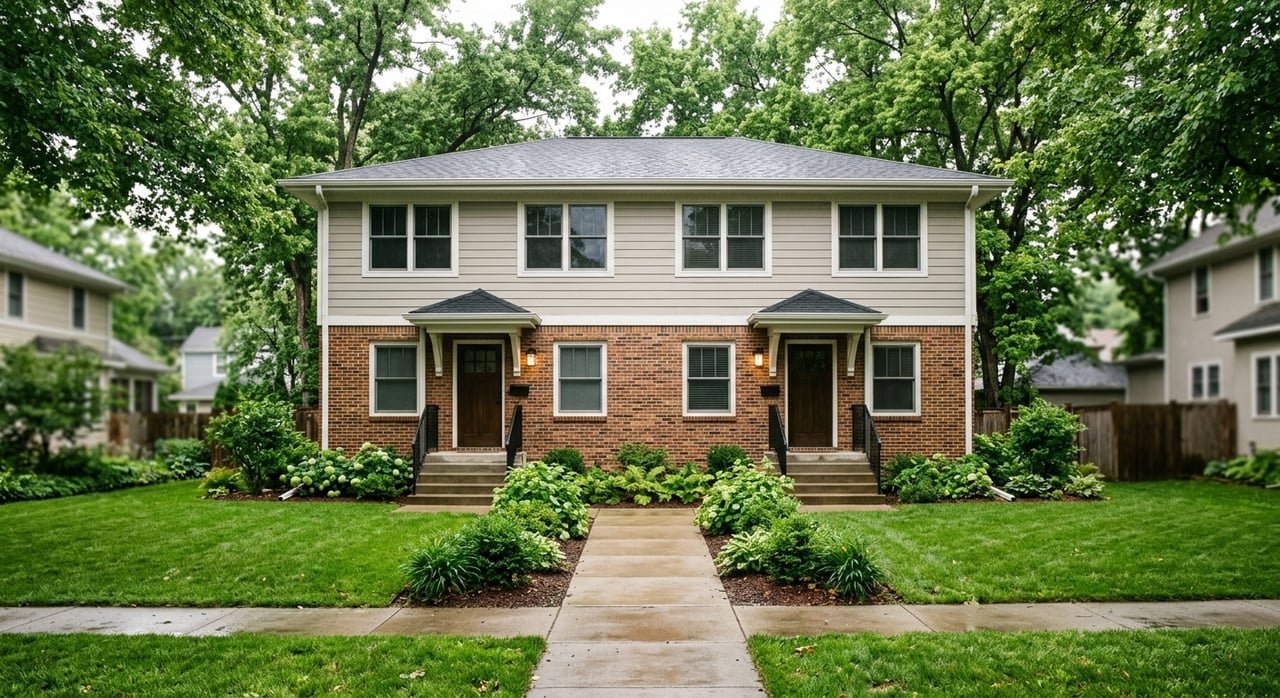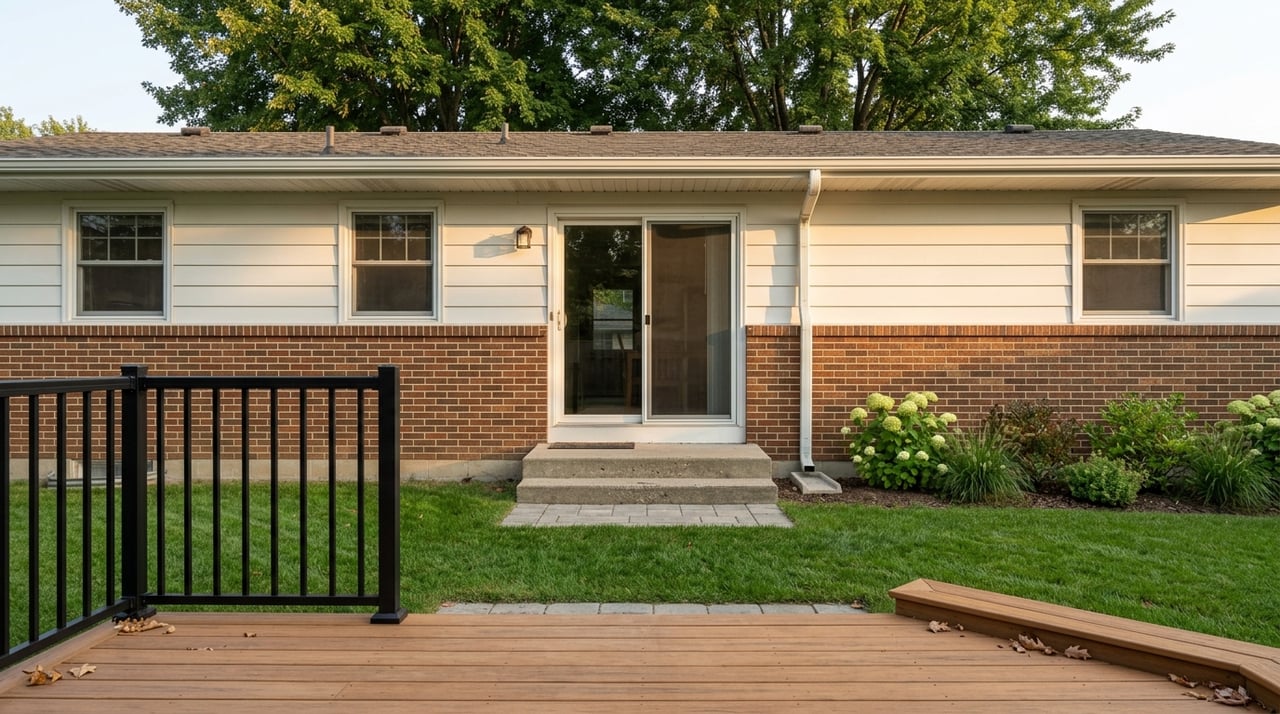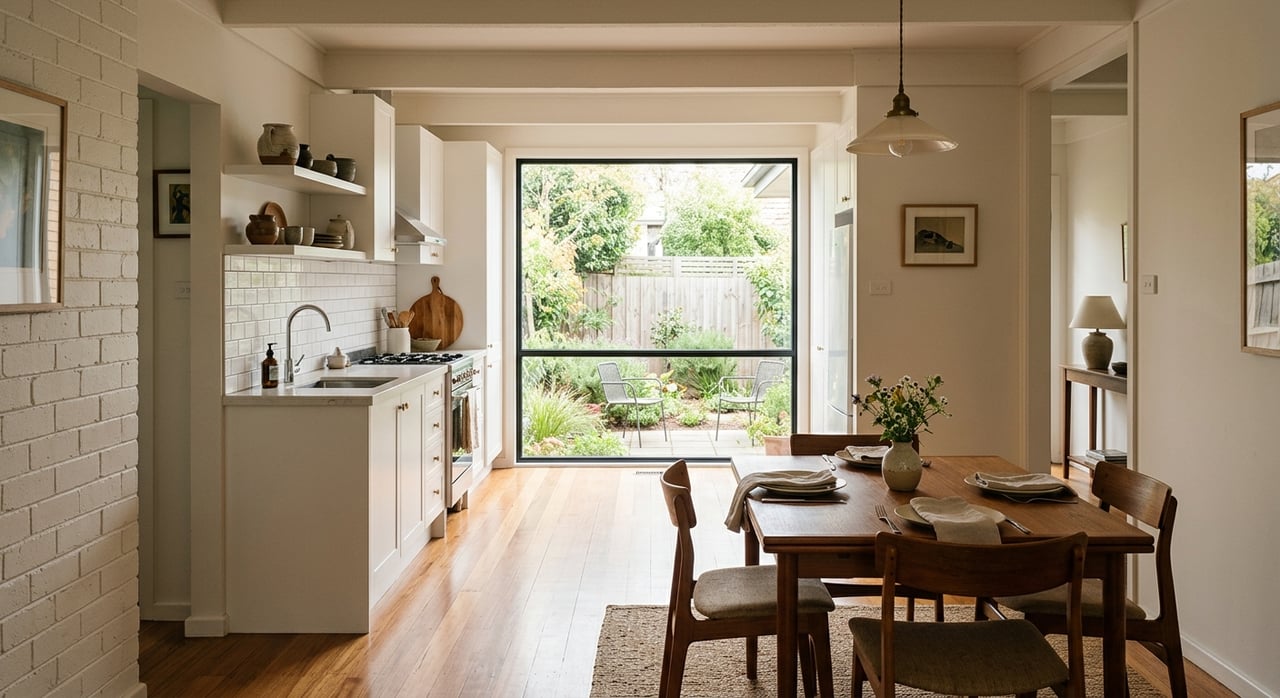
If you are house hunting in Richfield, you will probably notice the same thing quickly: many of the most appealing options are not brand-new homes. They are compact mid-century ramblers and story-and-a-half houses with practical layouts, mature lots, and real potential. That can be exciting, but it also means you need to look past the photos and understand what ownership may actually involve. In this guide, you’ll get a clear picture of what Richfield starter homes typically look like, what makes ramblers so common here, and how to budget for the repairs and updates that matter most. Let’s dive in.
Why Richfield appeals to starter-home buyers
Richfield is a classic first-ring suburb with a housing story shaped by its postwar growth. The city notes that it changed rapidly from a small community of 3,778 people in 1940 to more than 42,000 by 1960, with most of that growth tied to residential development. Today, much of the single-family supply still comes through redevelopment rather than major new subdivisions, which helps explain why resale homes dominate the market. You can learn more through the city’s demographic and housing information.
That older housing stock is a big part of Richfield’s appeal. According to the city’s housing chapter, over 60% of land area is devoted to single-family residential use, almost 80% of housing structures were built between 1940 and 1969, and the median year built is 1956. In practical terms, that means your Richfield starter-home search will usually focus on mid-century resale homes rather than newer construction.
Richfield also sits in a useful middle price range for many buyers. Recent Census data puts the median value of owner-occupied homes in Richfield at $320,400, compared with $346,200 in Bloomington, $345,600 in Minneapolis, and $646,300 in Edina. Based on those figures from the U.S. Census QuickFacts page, Richfield can fairly be described as a more attainable inner-ring option than Edina and somewhat below Bloomington and Minneapolis.
What Richfield starter homes look like
If you picture a Richfield starter home, you are probably picturing the right thing. The city reports that detached homes are nearly 93% rambler or expansion bungalow, and 96% of houses are 1 or 1.5 stories. That means large two-story homes are the exception, while compact postwar plans are the norm.
These homes tend to be modest in size above grade. The city says about two-thirds have less than 1,200 square feet above grade, and nearly 28% have less than 1,000 square feet. For many buyers, that smaller footprint is exactly why layout, storage, basement finish, and garage setup matter so much.
A lot of these homes also make creative use of space. About 84% have some finished basement, about 82% have three or more bedrooms, and fewer than half have more than one bathroom. In other words, the bedroom count may look good on paper, but everyday function often depends on how well the basement or upper level works for your household.
Why ramblers are so common here
Ramblers fit Richfield’s postwar development pattern well. They were efficient to build, practical for everyday living, and well suited to the lot sizes created during the city’s main growth years. If you want single-level living for your main daily routine, a Richfield rambler often delivers that in a manageable package.
The lot pattern supports that style too. The city reports that about half of lots are between 7,500 and 9,000 square feet, and more than one-quarter exceed 10,000 square feet. That can give buyers useful yard space, detached garages, and room to think about future projects, even if expansion options still depend on zoning rules.
That last part matters. Richfield reviews additions and garage enlargements based on yard coverage, setbacks, and building height, so the size of the lot is only one piece of the puzzle. If you buy with plans to expand later, it is smart to treat potential additions as something to verify, not assume.
What to look for in a rambler
A rambler can be a great fit if you want straightforward living and a house you can improve over time. But because many Richfield homes were built in the same era, there are a few recurring themes worth watching closely.
Main-floor size and flow
Many ramblers have compact main floors, so room dimensions can feel tighter than newer buyers expect. Pay attention to how the kitchen connects to the dining and living spaces, where coats and shoes land, and whether the main floor supports your daily routine without relying too heavily on basement overflow.
Basement function
In Richfield, the basement often does a lot of the heavy lifting. It may hold a family room, extra bedroom space, storage, laundry, or utility areas. That makes moisture history, ceiling height, egress, finish quality, and mechanical condition especially important when you compare one home to another.
Bathroom count
Fewer than half of Richfield homes have more than one bathroom, according to the city housing chapter. If a second bath matters to you, make sure you understand whether an existing lower-level bath is fully functional and permitted, or whether adding one later would require more work than expected.
Garage setup
The city says about 65% of houses have detached garages. Detached garages can work well, but they may vary a lot in size, condition, insulation, and electrical setup. If you need workshop space, EV charging potential, or simply room for larger vehicles, check those details early.
Expect point-of-sale inspection items
One of the most important things to know about buying in Richfield is that the city requires a point-of-sale inspection and Certificate of Housing Maintenance for single-family and two-family homes that transfer title after October 1, 1990. The city also recommends completing that inspection before listing or advertising. You can review the program on Richfield’s point-of-sale inspection page.
For buyers, that requirement is helpful because it gives you another window into the property’s condition. It does not replace your own inspection, but it does highlight common issues that can affect safety, repairs, permits, or closing timing. In an older-housing market, that extra layer of information matters.
Richfield’s common housing violations handout points to the issues that show up often, including:
- Missing smoke or carbon monoxide detectors
- Loose or missing handrails
- Windows without locks or windows that are stuck shut
- Peeling exterior paint
- Water-damaged walls or ceilings
- Leaking plumbing
- Unpermitted electrical or plumbing work
- Furnace certification issues
- Transite chimneys
- Ungrounded outlets
- Improper dryer venting
- Missing deadbolts
Some of these are straightforward fixes. Others can signal a bigger conversation about deferred maintenance, permit history, or how soon you may need to spend money after closing.
Safety and code details matter
Older starter homes can be very livable, but they reward careful review. Richfield’s smoke detector and carbon monoxide guidance says alarms are required in each sleeping room, outside sleeping areas, and on each additional story, including basements. Carbon monoxide alarms are required near sleeping areas when fuel-fired appliances or attached garages are present.
Window and door updates can also trigger more than basic cosmetic work. The city notes requirements around final inspection, safety glazing, flashing, caulking, and energy-code compliance. So if a house needs windows, it is wise to think beyond the sticker price and consider installation, permit, and code-related details too.
For homes built before 1978, lead rules are another important part of the picture. Richfield requires lead certification before permits for certain work that disturbs painted surfaces, and the city notes that window replacement also triggers this requirement. The city’s lead certification handout also points buyers toward the need for caution with older materials, especially when renovation plans move beyond light cosmetic work.
Budget repairs before cosmetic upgrades
This is where many first-time buyers can save themselves stress. In a market full of mid-century homes, the smartest budget is usually not the one that starts with countertops or paint colors. It is the one that reserves money for the items that affect safety, systems, and long-term ownership.
A practical way to think about it is to split projects into two groups.
Cosmetic updates
These are the changes that improve look and feel without usually reshaping the structure or systems of the house.
- Paint
- Locks and hardware
- Light fixtures
- Simple finish updates
- Minor refreshes with limited permit impact
System or structural work
These items usually deserve a bigger contingency because they affect function, safety, or code compliance.
- Windows
- Plumbing
- Electrical work
- Furnace issues
- Water-heater venting
- Basement bedroom compliance
- Additions or major layout changes
Richfield’s rules and inspection patterns support this kind of planning. In many ramblers and story-and-a-half homes, the real cost of ownership is shaped less by the list price and more by the condition of the basement, roof, windows, plumbing, and electrical service.
Use Richfield programs to plan smarter
One thing that makes Richfield especially useful for renovation-minded buyers is that the city offers real planning support. On the city’s housing transformation resources page, you can find a free Remodeling Advisor visit, a low-cost architectural consultation, and links to remodeling planbooks focused on postwar Cape Cods and ramblers.
That same page also lists financing tools that may help eligible homeowners tackle improvements, including:
- A Fix Up Loan of up to $35,000 at 3%
- A Transformation Home Loan for projects of $50,000+ that can cover 15% of project cost up to $25,000
- A Deferred Loan of up to $30,000 for eligible health and safety maintenance work
If you are buying your first home, Richfield also offers a First Time Homebuyer Loan program. The program provides up to $20,000 in down payment and closing-cost assistance at 0% interest, forgivable after 10 years, for qualified buyers who meet program requirements.
A practical way to shop Richfield homes
When you tour Richfield starter homes, it helps to think in layers. First, ask whether the location, lot, and basic layout work for your life. Then ask whether the condition supports your budget, timeline, and comfort with repairs.
A good short list might include questions like these:
- How much finished space is above grade versus in the basement?
- Are the bedroom count and bathroom setup practical for daily use?
- What city inspection items are already known?
- Are there signs of unpermitted updates?
- Which repairs are cosmetic, and which affect systems or safety?
- If you want to remodel later, are lot size and zoning likely to matter?
That kind of review is especially important in Richfield because so many homes share a similar age and style. The best value is not always the prettiest kitchen. Often, it is the home with the most solid fundamentals and the clearest path for future improvement.
If you want help sorting through Richfield ramblers, comparing condition from one house to the next, or deciding which repair issues are manageable versus expensive, Kane Loukas brings a calm, contractor-informed perspective to the process. That means you can move forward with clearer expectations, better questions, and a plan that fits both your budget and the way you actually want to live.
FAQs
What makes Richfield starter homes different from newer suburban homes?
- Richfield starter homes are usually mid-century resale homes, not new construction, because most of the city’s housing was built between 1940 and 1969 and current single-family supply often comes through redevelopment.
What is a rambler in Richfield, MN?
- In Richfield, a rambler is typically a one-story postwar detached home with a compact main floor, practical layout, and basement space that often adds living area, storage, or extra bedrooms.
What should buyers expect from Richfield point-of-sale inspections?
- Buyers should expect city-required inspection findings to often include items like detectors, handrails, window issues, peeling paint, plumbing leaks, furnace-related concerns, dryer venting, and possible unpermitted work.
Are Richfield ramblers usually small?
- Many are modest in size above grade, with about two-thirds under 1,200 square feet and nearly 28% under 1,000 square feet, so layout and basement usability matter a lot.
What repairs should buyers budget for first in Richfield homes?
- Buyers should usually reserve money first for inspection-driven and system-related repairs such as windows, plumbing, electrical, furnace concerns, venting, and basement or safety items before focusing on cosmetic upgrades.
Are there first-time buyer or remodeling programs in Richfield?
- Yes. Richfield lists a First Time Homebuyer Loan, a Remodeling Advisor service, architectural consultation, and several financing options for eligible home improvement projects on its city housing resources pages.