Wondering what daily life in Bloomington actually feels like beyond the map pin? If you are thinking about moving, buying, renting, or selling here, you probably want more than a list of stats. You want to know how people get around, what the housing mix looks like, and what kinds of parks, trails, and routines shape a normal week. This guide gives you a practical look at everyday life in Bloomington so you can picture how it might fit your goals. Let’s dive in.
Bloomington at a glance
Bloomington is a well-established suburb in the Twin Cities with an estimated population of 88,344 spread across 34.7 square miles of land. It has the feel of a mature city rather than a brand-new suburban edge, which means many areas are fully built out and daily life tends to be shaped by existing neighborhoods, parks, and commercial corridors.
A few numbers help paint the picture. Census data show a median household income of $93,211, a mean travel time to work of 21 minutes, an owner-occupied housing rate of 65.7%, and a median gross rent of $1,561. The city is also diverse in everyday life, with 19.8% of residents age 5 and older speaking a language other than English at home.
Bloomington feels different by area
One of the most helpful things to know about Bloomington is that it does not feel the same everywhere. City planning materials describe a broad split at I-35W, and that can be useful if you are trying to picture where you may feel most at home.
East Bloomington feel
East of I-35W tends to be older and more compact. It is also the main part of the city where redevelopment is happening, which can create a mix of established homes, updated commercial areas, and changing corridors.
If you like a more connected, lived-in feel with access to older parts of the city, this side may stand out. It can appeal to buyers and renters who want practical access to everyday services and evolving pockets of housing.
West Bloomington feel
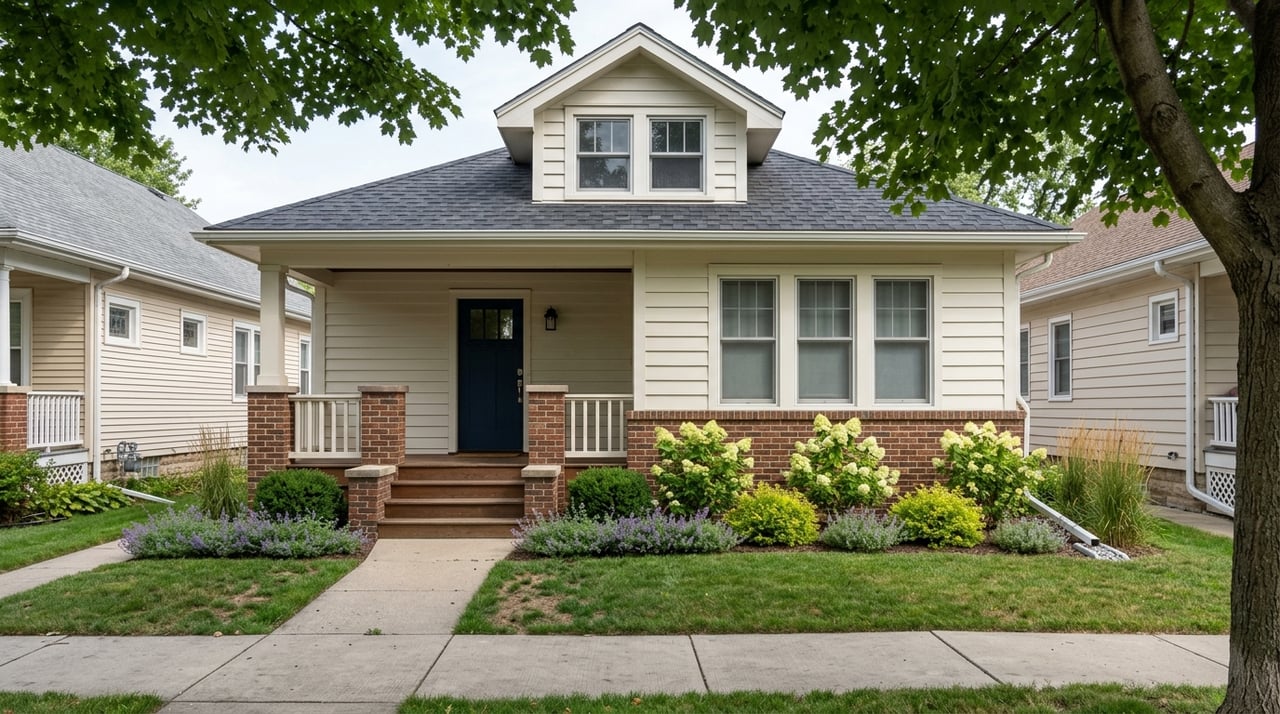
West of I-35W generally has newer homes on larger lots. In everyday terms, this side often reads as more spacious and residential, with a more spread-out suburban feel.
For some households, that means a stronger sense of separation between residential areas and busier commercial zones. If yard space or a quieter residential layout matters to you, west Bloomington may be worth a closer look.
South Loop and redevelopment areas
Bloomington also includes distinct mixed-use and redevelopment districts. The South Loop extends from I-494 to the Minnesota River and is described by the city as a transit-connected district where people build their lives around work, shopping, transit, and community activity.
Another area to watch is the Penn American corridor along American Boulevard between Penn Avenue and I-35W. City materials tie this area to redevelopment, transit investment, and Southtown Center, which makes it especially relevant if you are looking for a more connected, changing part of Bloomington.
Housing options are broader than many expect
Bloomington is not just a single-family-home market. The city’s 2023 housing report counted 43,274 taxable housing units, with about half detached single-unit homes and more than one-third multifamily homes.
That matters because it gives you more than one path into the city. Depending on your budget, timeline, and lifestyle, you may find detached homes, townhomes, condos, two-family properties, or rental options that fit your needs.
Census data reinforce that mix. The median value of an owner-occupied home is $361,700, while the median gross rent is $1,561, which points to both ownership and rental opportunities rather than a one-format housing market.
A city with evolving housing choices
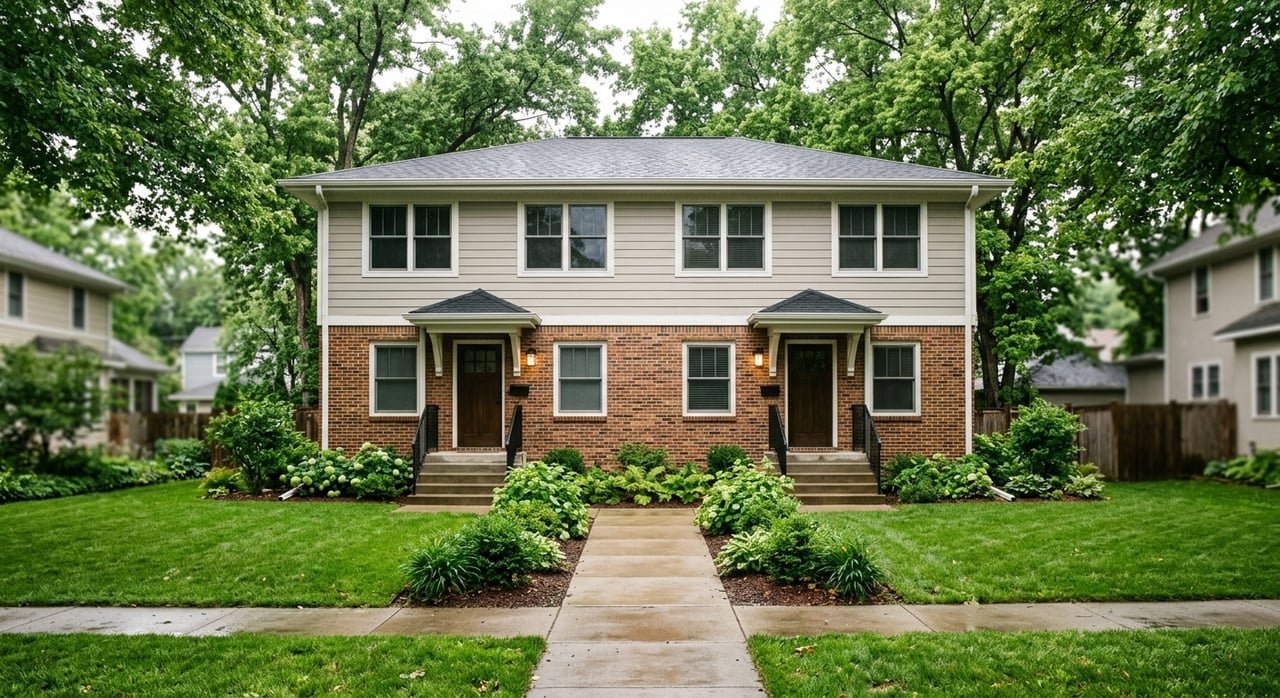
Bloomington is also actively discussing broader housing forms. Its missing middle housing study identifies duplexes, triplexes, small multiplexes, townhouses, and cottage courts as compatible housing types.
That does not mean every block looks the same or every option is available everywhere. It does mean Bloomington’s housing conversation is wider than just detached houses and large apartment buildings, which is useful if you want flexibility in how you live or invest.
Parks and trails shape daily routines
For many people, Bloomington’s parks are not just a nice extra. They are part of everyday life. The city says it has more than 9,000 acres of parkland, 97 parks, 45 playgrounds, two golf courses, Bloomington Ice Garden, the Family Aquatic Center, and the Bloomington Center for the Arts.
It also maintains nearly 40 miles of paved trails and 40 miles of unpaved trails. That kind of trail access can make a real difference in how you spend your mornings, weekends, and after-work time.
Normandale Lake for everyday activity
Normandale Lake is one of Bloomington’s most recognizable gathering spaces. The bandshell has historically hosted as many as 35 events each year and can accommodate crowds ranging from 100 to more than 5,000.
Even outside events, the park supports everyday routines. It has year-round restrooms for walkers and joggers, which may sound like a small detail, but it matters when a place becomes part of your regular walk or run.
Hyland Lake Park Reserve nearby
Hyland Lake Park Reserve gives Bloomington a larger regional outdoor option. Three Rivers Park District describes it as part of the 2,565-acre Hyland-Bush-Anderson Lakes Park Reserve, with prairie landscapes, access to Bush Lake and Normandale Lake, the Richardson Nature Center, Hyland Hills Ski Area, a large play area, and disc golf.
The park is open daily from 5 a.m. to 10 p.m., which makes it practical for both early-morning users and evening outings. If you like having a destination-style park close to home, this is a meaningful part of Bloomington life.
Wildlife refuge access in south Bloomington
South Bloomington has another strong outdoor identity through the Minnesota Valley National Wildlife Refuge. The refuge includes more than 45 miles of trails open to hiking, biking, snowshoeing, and cross-country skiing.
The Bloomington visitor center adds exhibits, a bird-feeder viewing area, and equipment lending. For residents who want regular access to nature without leaving the metro, that is a real quality-of-life feature.
Small-scale amenities still matter
Everyday livability is also shaped by smaller amenities. Bloomington’s community garden program offered 205 plots in 2026 at Brookside, Harrison, Smith, and South Loop locations in central and northeastern Bloomington.
That kind of neighborhood-scale infrastructure often says a lot about how people use a city day to day. It supports routines that are practical, local, and community-minded.
Getting around is one of Bloomington’s strengths
Bloomington stands out for regional connectivity. According to city materials, it is about 5 minutes from Minneapolis-St. Paul International Airport and about 15 minutes from both downtown Minneapolis and downtown St. Paul.
The city also highlights four major highways: I-494, I-35W, US 169, and TH 77. If your routine includes commuting, airport travel, or frequent cross-metro trips, that access can be a major advantage.
Transit options go beyond highways
Bloomington also has stronger transit service than many suburban buyers expect. The city says it is served by one light rail line, three bus rapid transit lines, and the state’s busiest transit station with more than 5,000 daily rides.
Metro Transit says the METRO Blue Line runs between downtown Minneapolis and Mall of America in Bloomington, with roughly 15-minute weekday service during most hours. The METRO D Line serves Bloomington and Mall of America with buses about every 10 minutes on weekdays.
Microtransit adds flexibility
For some trips, Bloomington also has a Metro micro zone with door-to-door shared rides. Metro Transit describes the service area as roughly bounded by 94th Street, Highway 169, the Minnesota River, and 3rd Avenue.
That kind of option can be useful for shorter local trips or for people who want another way to get around without always relying on a personal vehicle. It adds another layer to Bloomington’s everyday convenience.
Shopping and practical convenience
A lot of lifestyle comes down to simple convenience. Bloomington’s commercial corridors are a major part of that. City and transit materials point to areas around American Boulevard, Southtown Center, and the South Loop as places where transit, shopping, and daily activity intersect.
That does not mean every resident lives a car-free lifestyle. It does mean many parts of Bloomington offer a practical mix of errands, work access, and regional connections that can make day-to-day planning easier.
What everyday life in Bloomington feels like
Taken together, Bloomington often feels like a city of balance. You get mature neighborhoods, a broad range of housing types, strong park access, and unusually good regional connections in one place.
It is also a city that continues to evolve. Redevelopment in key corridors, mixed-use growth in the South Loop, and conversation around broader housing choices all point to a community that is changing while still holding onto the established features many people value.
If you are trying to decide whether Bloomington fits your lifestyle, the answer often comes down to what kind of daily rhythm you want. If you want trail access, practical commuting options, varied housing, and a suburb with multiple distinct pockets rather than one single feel, Bloomington offers a lot to explore.
Whether you are comparing neighborhoods, sizing up housing options, or getting ready to make a move in the Twin Cities, Kane Loukas offers calm, practical guidance backed by real housing knowledge to help you make the next step with confidence.
FAQs
What is everyday life like in Bloomington, Minnesota?
- Everyday life in Bloomington often centers on a mix of mature neighborhoods, strong park access, practical shopping corridors, and solid regional connections to the rest of the Twin Cities.
What types of homes are available in Bloomington?
- Bloomington has a broad housing mix that includes detached homes, condos, townhomes, two-family homes, multifamily housing, and rental options.
How is commuting from Bloomington to Minneapolis or St. Paul?
- City data say Bloomington is about 15 minutes from downtown Minneapolis and downtown St. Paul, with access to major highways, light rail, bus rapid transit, and local shared-ride service.
Does Bloomington have good parks and trails?
- Yes. Bloomington reports more than 9,000 acres of parkland, 97 parks, nearly 40 miles of paved trails, and nearly 40 miles of unpaved trails, plus access to larger regional outdoor areas.
How do different parts of Bloomington compare?
- In broad terms, east Bloomington tends to feel older and more compact, west Bloomington tends to feel more spacious and residential, and areas like the South Loop and Penn American corridor are more tied to transit and redevelopment.
Is Bloomington only a single-family suburb?
- No. While detached homes are a major part of the housing stock, city and census data show a meaningful mix of multifamily housing, condos, townhomes, and rental opportunities as well.