Buying your first home in Roseville can feel like a balancing act. You want a place that fits your budget, works for your life, and does not surprise you with expensive repairs right after closing. The good news is that Roseville offers a wide mix of housing options and a close-in location, but it also asks first-time buyers to be realistic about price, condition, and long-term costs. Let’s dive in.
Why Roseville stands out
Roseville is a first-ring suburb just north of St. Paul with easy access to both downtowns. It offers a mix of parks, retail, jobs, and established neighborhoods, which makes it appealing if you want a suburban setting while staying close to the urban core.
It is also a fully developed city, which matters more than many first-time buyers realize. According to the city’s 2025 housing needs assessment, future housing growth is more likely to come from redevelopment than from large new subdivisions. That helps explain why buyers often choose between older homes with character and newer multifamily or redevelopment projects.
What first-time buyers should expect on price
Roseville is not usually the lowest-cost option among close-in Twin Cities markets. Several data sources place the market in the mid-$300,000s to near-$400,000 range, depending on methodology.
Census QuickFacts reports a median owner-occupied home value of $352,100. Zillow puts Roseville’s typical home value at $374,912, and Redfin reported a median sale price of $393,000 in March 2026. While those numbers differ, they point to the same reality: you should plan for a market that often sits above entry-level price points.
That is especially important if you are comparing Roseville with nearby cities. Redfin’s figures show Roseville at $393,000, compared with $295,000 in St. Paul and $355,000 in Minneapolis. In other words, you may pay more for Roseville, but many buyers decide the location and housing mix make that tradeoff worth considering.
What kinds of homes are common
A lot of first-time buyers expect suburban housing to mean mostly newer homes. In Roseville, that is not the full picture. The city’s housing needs assessment says 75% of housing units were built before 1980, with much of the housing stock dating to the 1940s and 1950s.
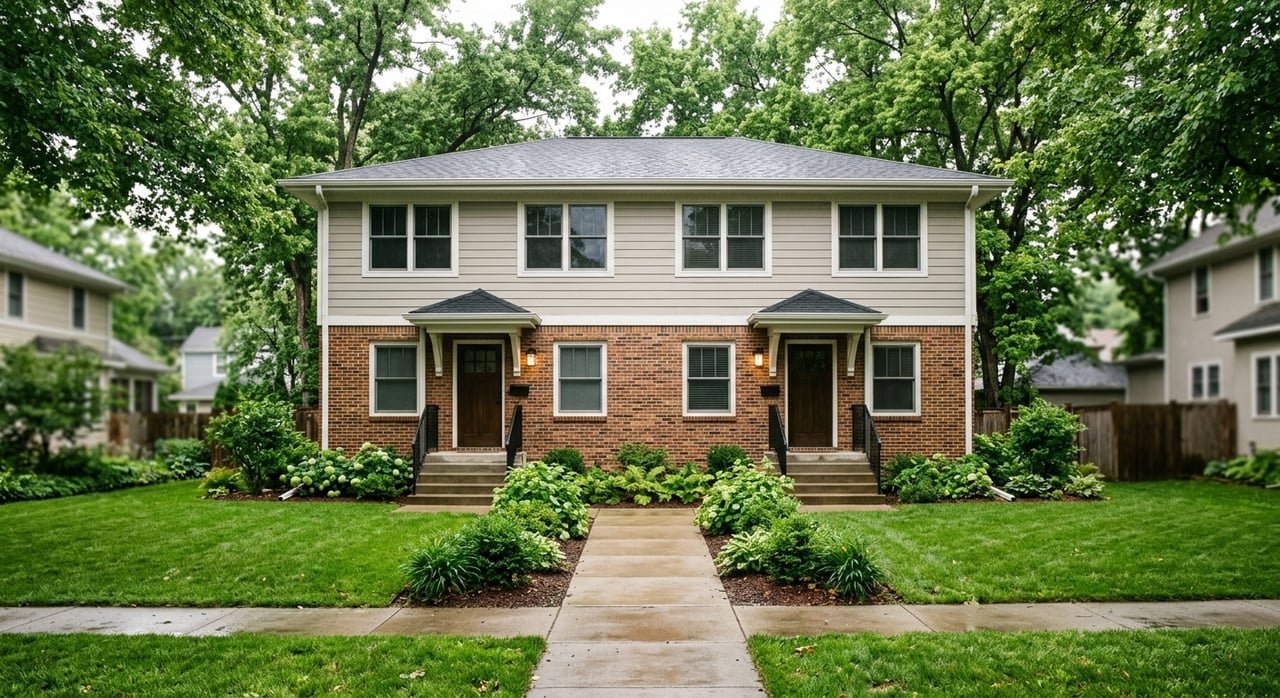
That older housing stock creates variety. Roseville includes single-family homes, townhomes, manufactured homes, market-rate apartments, senior housing, and affordable housing. The same city study says 43% of all housing units are in multifamily formats, so your search may include more than just detached homes.
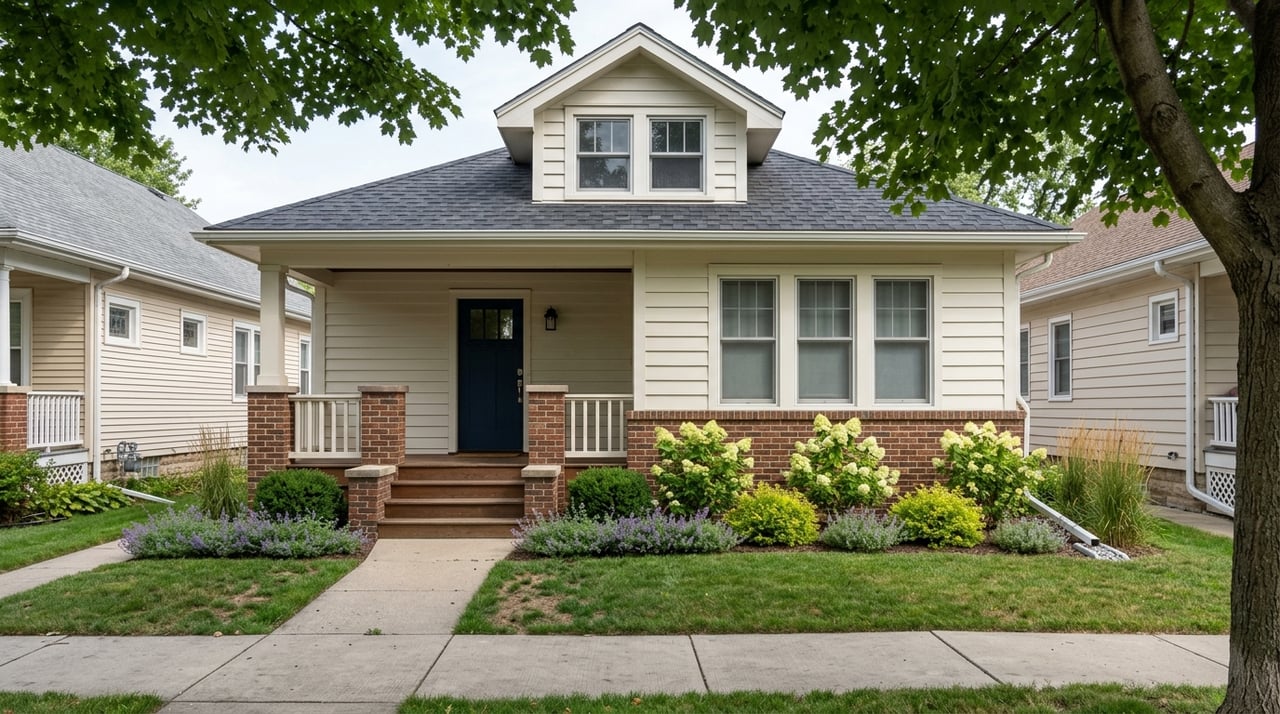
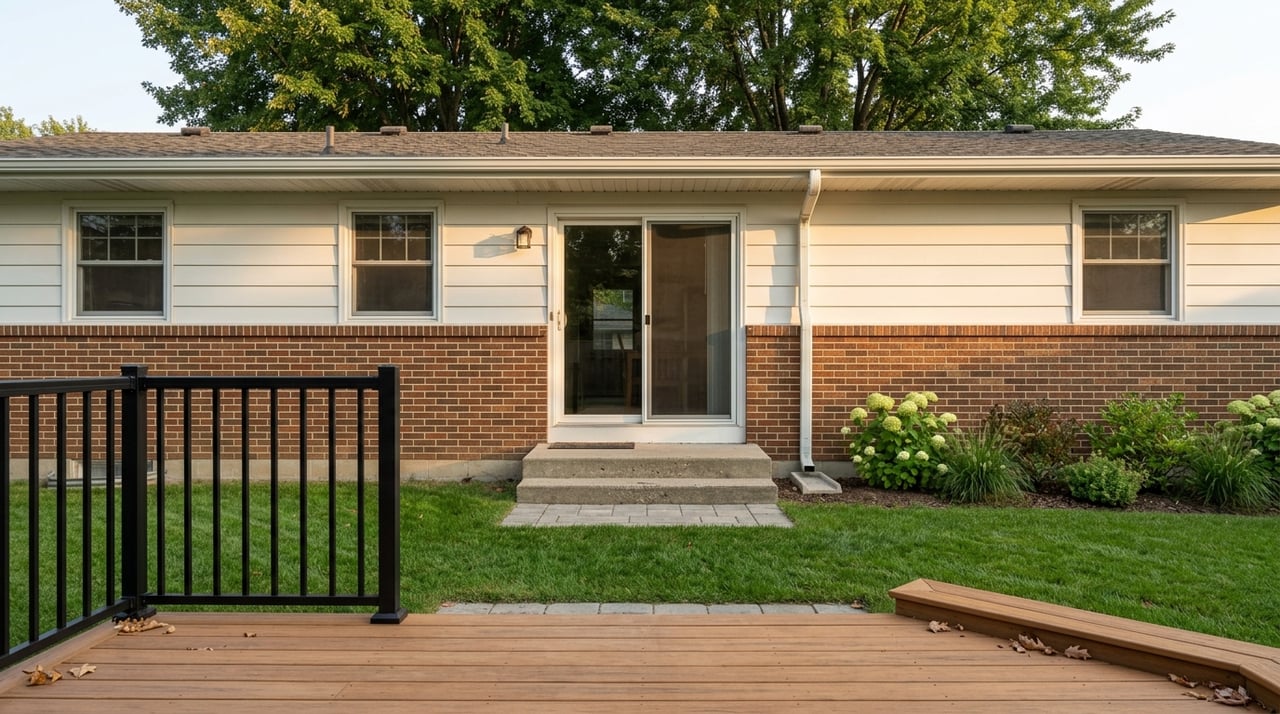
If you focus on single-family homes, common local styles include Cape Cods, Ramblers or Ranch homes, Split-Entry and Split-Level homes, Bungalows, and Folk Victorian homes. For many buyers, that means you can find charm and solid locations, but you may also need to look closely at maintenance history and update needs.
Start your budget with the full picture
The purchase price is only one part of what you need to afford. Roseville’s housing study says ownership housing is concentrated in the $200,000 to $400,000 range, with many homes falling into an upper-middle cost band. That makes budgeting especially important for first-time buyers.
Beyond your down payment and monthly payment, build room for closing costs and post-closing reserves. Older homes may need repairs, energy-efficiency improvements, or cosmetic work sooner than expected. Even if a home is move-in ready, it is smart to keep some cash set aside for things that come up after you move in.
Census QuickFacts reports median monthly owner costs with a mortgage at $2,125 in Roseville. That number can help with context, but remember that current owners may have bought at different prices or have paid down their loans over time. Your own payment will depend on today’s purchase price, loan terms, taxes, insurance, and any association costs.
Local assistance and repair programs to know
Roseville has a few local programs that can matter if you are trying to make first-time homeownership work. On the down-payment side, the city’s homeownership page highlights a state forgivable first-generation assistance fund worth up to 10% of the purchase price, capped at $32,000.
The same city page also references Ramsey County’s FirstHOME program, including a first-time buyer option up to $20,000 and a first-generation option up to $93,150, with a purchase-price cap of $372,600. However, the county’s current homebuyer-assistance page says the program is out of funds and not accepting applications, so availability should be verified before you build a plan around it.
Roseville also offers a Home Improvement Loan program for qualifying owner-occupied properties that are at least 25 years old. The program offers up to $40,000 at 3% interest and requires a property inspection and home energy audit before closing. There is also an emergency deferred loan program for urgent problems such as water lines, sewer service, basement water, structural issues, and furnace or water heater replacement.
For a first-time buyer, these programs matter because they show how common repair planning can be in an older housing market. You may not use one right away, but knowing they exist can help you think more realistically about long-term ownership.
Inspection issues to take seriously
Because so much of Roseville’s housing was built before 1980, inspections matter. This is one of those markets where you want to understand not just how a home looks, but how it functions.
Lead in older homes
The Minnesota Department of Health says you should assume any home built before 1978 contains some lead. It also estimates that about 75% of homes built before 1978 have some lead-based paint.
That does not mean every older home is unsafe, but it does mean you should pay attention to paint condition, especially around windows, trim, and surfaces that may be scraped or sanded during future projects. If you are buying an older Roseville home, lead awareness should be part of your planning.
Radon testing in Minnesota
Radon should be on every Minnesota buyer’s checklist. The Minnesota Department of Health recommends that every Minnesota home be tested for radon and notes that a test is the only way to know the level in a home.
The department also says more than two in five Minnesota homes have radon levels that pose a significant health risk. In a transaction, MDH recommends testing the lowest regularly used level of the home, such as a basement, and starting with a short-term test.
Asbestos before renovation
Asbestos is another issue that often comes up in older homes, especially if you plan to renovate. MDH says asbestos was used in more than 3,000 construction materials, and many home inspectors do not check for asbestos products.
If a home may contain asbestos, ask whether it has been inspected, who would handle the inspection, and whether repair or removal is needed. MDH says asbestos inspection and assessment must be completed by a certified inspector, and licensed contractors should handle removal when material needs to come out.
Moisture, mold, and winter wear
Minnesota weather adds another layer to homeownership. MDH recommends checking plumbing, roofing, foundations, gutters, attics, crawl spaces, and sump pumps, and drying wet materials within 24 to 48 hours to reduce mold risk.
The Minnesota Department of Commerce also notes that ice dams are mainly caused by warm air leaking into the attic. That means insulation and air sealing matter just as much as roof maintenance. In many Roseville homes, moisture management is not a small detail. It is a core part of protecting your investment.
Watch for common repair areas
Roseville’s emergency repair program offers a helpful clue about the kinds of problems buyers should watch closely. The city lists water lines, sewer service, basement water, structural problems, furnace or water heater replacement, and exterior steps or railings among the issues the program may address.
That list is useful because it reflects the types of systems and conditions that can become expensive if they are overlooked. When you tour homes, look beyond paint colors and staging. Pay attention to drainage, mechanical age, basement conditions, railings, and signs of deferred maintenance.
Renovation potential can be a plus
For some first-time buyers, Roseville works best if you are open to a home that needs some updates. The city provides remodeling resources for Cape Cods, Ramblers, and Split-Entry or Split-Level homes, which shows how common these styles are locally.
The city’s green remodeling guidance also emphasizes energy efficiency, routine maintenance, and moisture management. That is worth noting if you are trying to decide whether a less polished home could still be a smart purchase.
A home that is not perfect on day one can still be a strong long-term fit if the structure, layout, and location make sense and your budget accounts for the work ahead. This is where practical guidance matters. A calm, renovation-aware approach can help you sort cosmetic projects from true repair risks.
A smart first-time buying strategy in Roseville
If you are buying your first home in Roseville, it helps to go in with a simple plan:
- Set a budget that includes repairs and reserves, not just the mortgage payment
- Decide whether you prefer an older single-family home or a multifamily or townhome option
- Expect to evaluate condition carefully, especially in homes built before 1980
- Treat radon, moisture, and aging systems as normal parts of due diligence
- Verify any assistance-program availability before relying on it
- Think about long-term livability, not just the listing photos
Roseville can be a very good fit if you want a close-in suburban location and you are comfortable with a market where older homes play a big role. It may not be the cheapest place to buy near the core cities, but for many buyers, the mix of location, housing variety, and long-term upside makes it worth a serious look.
Buying your first home is a big step, and it is easier when you have clear advice without pressure. If you want help comparing Roseville homes, understanding repair concerns, or building a realistic first-time budget, reach out to Kane Loukas for practical guidance grounded in how homes actually work.
FAQs
What price range should first-time buyers expect in Roseville?
- Most Roseville market data in the research places home values and sale prices from the mid-$300,000s to near $400,000, with many ownership homes concentrated in the $200,000 to $400,000 range.
What types of homes are common for first-time buyers in Roseville?
- Roseville has a mix of older single-family homes, townhomes, and multifamily housing, with common single-family styles including Cape Cods, Ramblers, Split-Entry homes, Bungalows, and Folk Victorian homes.
What inspection issues matter most when buying an older Roseville home?
- Key concerns include lead in pre-1978 homes, radon, possible asbestos before renovation, moisture or mold risks, basement water issues, and the condition of major systems like furnaces, water heaters, and sewer lines.
What homebuyer assistance programs are available in Roseville?
- Roseville highlights a state forgivable first-generation assistance fund of up to 10% of the purchase price, capped at $32,000, and references Ramsey County FirstHOME options, though county program availability should be verified because current funding may be exhausted.
What repair help programs should Roseville buyers know about?
- The city offers a Home Improvement Loan program of up to $40,000 at 3% interest for qualifying older owner-occupied homes, plus an emergency deferred loan program for urgent issues like sewer problems, basement water, structural repairs, and furnace or water heater replacement.
Is Roseville a good place for a first-time buyer who wants a fixer-upper?
- It can be, especially if you are comfortable with older housing and budget carefully for repairs, maintenance, and energy-efficiency upgrades rather than expecting a fully updated home at an entry-level price.