Looking for a home with charm and a practical daily routine? In West St. Paul, that mix is a big part of the appeal. If you are drawn to smaller older homes, front porches, and the idea of having parks, shops, and services within easier reach, this area deserves a closer look. Let’s dive in.
Why West St. Paul Stands Out
West St. Paul offers a useful middle ground for buyers who want established housing without feeling far removed from daily essentials. It is a first-ring suburb next to St. Paul, and the city covers just 4.91 square miles, which helps explain why many destinations feel relatively close together.
The city has 21,920 residents, an owner-occupied housing rate of 57.2%, and a median owner-occupied home value of $301,300. It also has 15 parks and more than 600 businesses. That combination gives you a community with mature housing stock, neighborhood green space, and a strong base of everyday services.
What “Bungalow” Usually Means Here
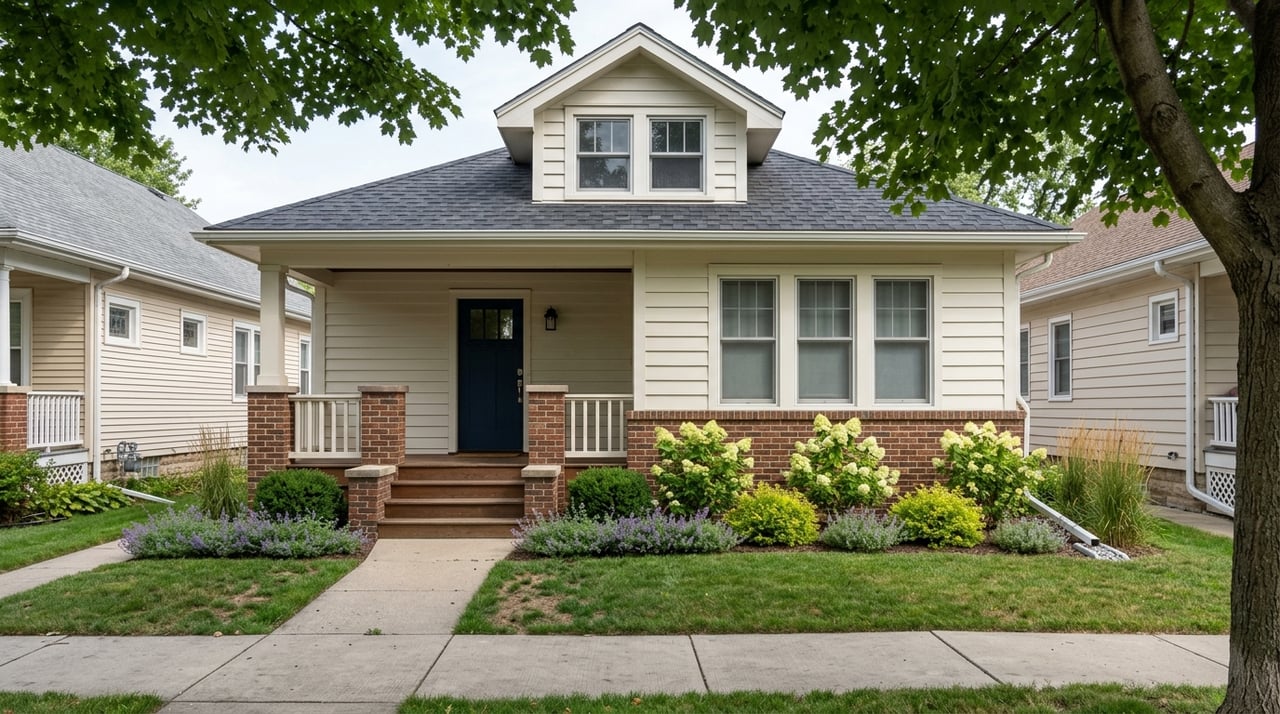
When buyers picture a bungalow, they often think of a one- to one-and-a-half-story home with a low-pitched roof, broad eaves, and a porch. In West St. Paul, the term often points less to a textbook architectural label and more to a type of livable older home: compact, practical, and shaped by decades of upkeep and updates.
That matters because West St. Paul is not mainly a museum of large historic houses. The city’s 2040 Comprehensive Plan says around half of the housing units are single-family detached homes, and many of the smaller single-family homes were built in the 1950s or earlier. More than half of the housing stock was built before 1970, so many homes in this category have already gone through at least one improvement cycle.
Why Buyers Like West St. Paul Bungalows
For many buyers, these homes hit a sweet spot. You may get a smaller footprint, an established lot, and a house that feels manageable to maintain compared with a much larger property.
You may also find features that support everyday comfort, such as:
- Front porches or small entry stoops
- Efficient one-level or one-and-a-half-story layouts
- Mature trees and established streetscapes
- Older construction with a long reinvestment history
- Proximity to parks, shopping, and key roads
That does not mean every home is move-in perfect. It means many of these properties appeal to buyers who value character and are realistic about upkeep.
Walkable Living in West St. Paul
Walkable living in West St. Paul is real, but it is pocket-based rather than citywide. Dakota County’s city profile rated the citywide Walk Score at 44, while the Wentworth and South Robert Street area scored 67. So if your goal is to run some daily errands on foot or combine walking with driving and transit, location within the city matters a lot.
The same Dakota County profile reported that 43% of streets had sidewalks or trails. Robert Street is the city’s major commercial and transit corridor, which makes the nearby areas especially relevant if convenience is high on your list.
Where Walkability Is Strongest
If you want the most practical version of walkable living in 55118, keep an eye on homes with easier access to Wentworth Avenue and Robert Street. This part of West St. Paul concentrates many of the places people use in daily life, from shopping and services to library access and transit.
Dakota County’s Wentworth Library is located at 199 Wentworth Ave E. Nearby park options named by the city include Harmon Park, Marthaler Park, Oakdale Park, and Thompson County Park. These destinations help create a rhythm of daily life where errands, outdoor time, and neighborhood movement feel easier to combine.
New Projects Supporting Daily Mobility
West St. Paul is also investing in more pedestrian connections. The city says 4.5 miles of new sidewalk and trail projects are planned for 2026 and 2027, including work on Emerson Avenue, Delaware Avenue, Butler Avenue, Lothenbach Avenue, and Wentworth Avenue.
These projects matter because they can improve how comfortably you move through the city, especially in areas that already have some walkable momentum. They do not turn every part of West St. Paul into a fully walk-everywhere environment, but they do strengthen the city’s most functional pockets.
Another project worth noting is 150 Thompson Park, planned just east of Robert Street and north of Wentworth Library. The city says it is planned with access to the River to River Greenway, bike parking, nearby transit stops, tree-lined sidewalks, and a central gathering area. For buyers who care about connected outdoor access, that is a meaningful local investment.
Why Robert Street Matters
If you are evaluating walkability in West St. Paul, Robert Street should be part of the conversation. The city’s 2040 Comprehensive Plan identifies the Robert Street corridor as the commercial hub of West St. Paul and the main focus area for updates and redevelopment.
That makes nearby homes especially interesting for buyers who want an older house but do not want to feel cut off from retail, services, or transit. Dakota County also says this corridor is part of the planned METRO G Line bus rapid transit project between West St. Paul and Little Canada, which adds another layer of long-term access to watch.
What to Watch For in Older Bungalows
Older compact homes can be great fits, but they reward careful review. In West St. Paul, permit history and project documentation matter because the city requires permits for many common residential improvements.
According to the city, permits are required for projects such as:
- Structural changes
- Decks
- Finished basements
- Roofing
- Siding
- Fencing
- Window replacement
- Plumbing, electrical, and mechanical work
For you as a buyer, that means it is smart to look beyond surface finishes. A polished kitchen or fresh paint may look great, but you also want to know how major systems and past improvements were handled.
Common Update Categories
Because more than half of West St. Paul’s housing stock was built before 1970, certain project types come up often. Common update categories in older bungalows and cottage-style homes include roofs, siding, windows, decks, basement finish work, and utility-related repairs or replacements.
The city’s housing and permit data helps explain why. Between 2010 and 2015, West St. Paul issued 3,399 rehabilitation and alteration permits, and nearly 39% of the housing stock was renovated or altered during that six-year period. That suggests many homes have seen meaningful work, but it does not mean you should assume a home is turnkey.
How to Evaluate a Bungalow Purchase
If you are thinking about buying in West St. Paul, it helps to approach each home with a practical checklist. Character is a plus, but function should lead the decision.
Here are a few smart questions to ask as you compare homes:
- What updates have been made, and when?
- Is there permit history for major projects?
- How old are the roof, windows, siding, and key mechanical systems?
- Has the basement been finished, and if so, how was that work done?
- Does the layout fit how you actually live day to day?
- How easy is it to reach parks, shops, transit, or the library from this block?
This is where a calm, renovation-aware approach can make a big difference. A home does not need to be perfect to be a good buy, but you do want a clear picture of condition, likely future costs, and how the location supports your routine.
A Good Fit for Smaller-Home Buyers
West St. Paul can be especially appealing if you want a smaller established home in a community that continues to invest in access and mobility. Dakota County’s 2025 review of the city’s 2040 plan emphasizes walkability, complete streets, mixed land use, and planning for alternative housing options as residents age.
That broader direction supports the appeal of bungalow and cottage-style homes. If you want something modest in size, rooted in an established neighborhood pattern, and close to useful destinations, West St. Paul offers a practical case for a closer look.
The Bottom Line on West St. Paul Living
West St. Paul is not a fully walk-everywhere city, and most buyers will still rely on a car for part of daily life. But if you focus on the right pockets, especially around Wentworth and Robert Street, you can find a compelling mix of older smaller homes, everyday convenience, parks, and improving pedestrian connections.
That is a big reason these homes continue to stand out. You get character and functionality in a city that is established, accessible, and still investing in how people move through it.
If you want help sorting through older-home condition, likely repair scope, or which parts of West St. Paul best match your routine, Kane Loukas brings a practical, low-pressure approach backed by real construction knowledge.
FAQs
What is a bungalow in West St. Paul?
- In West St. Paul, a bungalow usually refers to a compact older house, often one to one-and-a-half stories, with practical living space and a long history of maintenance or updates.
How walkable is West St. Paul, Minnesota?
- West St. Paul has walkable pockets rather than citywide walkability. Dakota County rated the citywide Walk Score at 44, while the Wentworth and South Robert Street area scored 67.
Which part of West St. Paul feels most walkable?
- The strongest walkable pocket is generally around Wentworth Avenue and South Robert Street, where commercial services, transit access, and community destinations are more concentrated.
What should buyers check in older West St. Paul homes?
- Buyers should review permit history, major system ages, roofing, siding, windows, basement work, and any structural or utility-related updates.
Are West St. Paul bungalows usually move-in ready?
- Some may be, but many older homes have gone through multiple update cycles and still need ongoing upkeep, so it is best not to assume turnkey condition.
Why do buyers like 55118 for smaller homes?
- Buyers often like 55118 because West St. Paul offers established smaller homes, access to parks and services, and practical walkable pockets near key corridors like Robert Street and Wentworth Avenue.