Thinking about selling your St. Paul Park home, but not sure which repairs are actually worth doing first? You are not alone. Many sellers want to avoid overspending, fix what matters most, and list with confidence. This guide will help you focus on the repairs that can protect your sale, support buyer confidence, and keep your prep work practical. Let’s dive in.
Start With Repairs That Matter Most
If you are only a few months away from listing, the smartest approach is usually to focus on issues that affect safety, moisture, function, or a buyer’s trust in the home. National 2025 remodeling research found that 46% of buyers are less willing to compromise on a home’s condition, which makes visible and meaningful repair work more important than many sellers expect.
In St. Paul Park, where the median owner-occupied home value is $263,500, a targeted plan often makes more sense than a major custom remodel. The goal is usually not to reinvent the house. It is to present a well-cared-for home that feels solid, functional, and ready for the next owner.
Use This Repair Priority Order
- Safety and code-related issues
- Water and moisture problems
- Major systems that may fail inspection
- High-visibility cosmetic updates
- Optional upgrades if time and budget remain
This order helps you spend money where it is most likely to reduce problems later in the sale.
Fix Safety and Disclosure Issues First
The first category to review is anything that could affect safe use of the home or create a serious concern during a showing or inspection. In Minnesota, sellers must disclose known material facts that could adversely and significantly affect an ordinary buyer’s use and enjoyment of the property. If you learn something new before closing, you are also expected to update that disclosure.
That does not mean you must repair every minor flaw before listing. It does mean known problems with real impact deserve attention, especially if they are likely to raise red flags with buyers.
Repairs in This Category Often Include
- Electrical hazards
- Plumbing leaks
- HVAC failures
- Roof leaks
- Damaged flashing
- Missing shingles
These items are often near the top of the list because they can affect how the home functions day to day. They can also influence whether a buyer feels comfortable moving forward.
Address Water and Moisture Problems Early
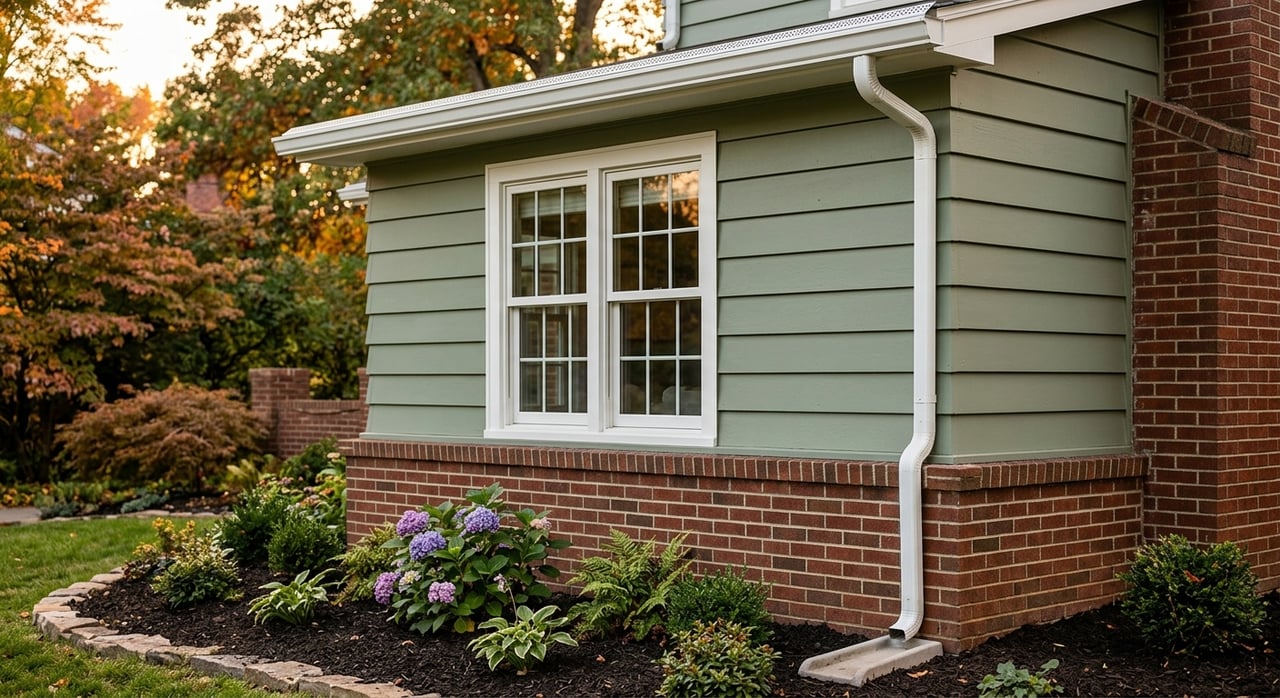
Moisture issues tend to create bigger concerns than simple wear and tear. A small leak can suggest larger maintenance problems, and buyers often notice signs of water quickly, whether it is a stain on a ceiling, musty air in the basement, or damaged trim around a window.
If you know your home has active leaks, roof problems, or plumbing issues, it is usually wise to address them before listing. Even if the repair is not flashy, it can protect buyer confidence and reduce the chance of a stressful negotiation later.
Why Moisture Repairs Matter
- They affect how buyers perceive the home’s condition
- They may point to deeper damage if left unresolved
- They often come up during inspections
- They can become disclosure issues if known and unaddressed
For many sellers, this is one of the clearest places to spend money before the home hits the market.
Check Major Systems Before You List
A home does not need to be brand new to sell well, but it should feel dependable. If your furnace is unreliable, plumbing has recurring issues, or the roof is near failure, buyers may worry about immediate costs after closing. That concern can lead to lower offers or requests for concessions.
This is where a practical review matters. Rather than replacing everything, focus on systems that are not working properly, show clear signs of failure, or are likely to become major negotiation points.
Give Special Attention to Radon in Minnesota
Radon is worth separate attention because it is a major issue across Minnesota. The Minnesota Department of Health says 2 in 5 Minnesota homes tested have radon levels that are a major health risk, and it recommends that all Minnesota homes be tested.
If you have never tested your St. Paul Park home, or if you made major changes like finishing a basement, replacing windows, adding insulation, adding an addition, or changing the HVAC system, it may be time to retest. For sellers, having clear information about radon can help you prepare for buyer questions before they come up.
Know If Lead Paint Rules May Apply
If your home was built before 1978, lead-based paint rules may be relevant. Buyers of most pre-1978 homes have the right to know about known lead-based paint hazards before signing. Repair work that disturbs old paint can also create lead dust.
If you are planning scraping, sanding, or larger paint repairs in an older home, it is wise to think through that work carefully before getting started. This is another example of why not every pre-sale repair should be treated as a simple weekend project.
Do Not Forget Well Disclosure
If your property has a private well, Minnesota requires disclosure of the number and status of wells on the property before closing. That is not a repair issue in every sale, but it is part of preparing your home for market the right way.
If a well exists on the property, make sure you understand what needs to be documented. Being organized early can help the sale move more smoothly.
Focus Cosmetic Spending Where Buyers Notice It
Once the important function and safety items are handled, cosmetic work can make a strong difference in presentation. When the budget is limited, broad, visible updates often do more for resale than highly personalized upgrades.
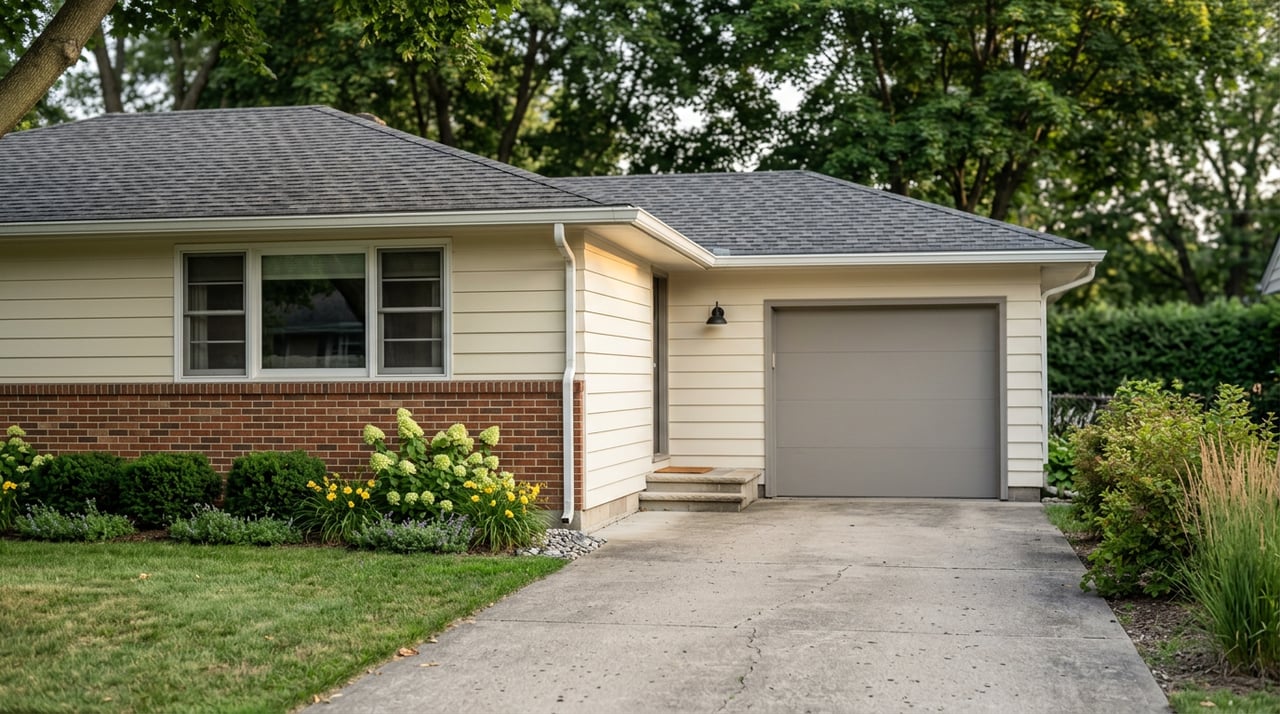
National 2025 remodeling data showed that exterior replacement projects delivered some of the strongest resale value, with garage door replacement ranking first, steel entry door replacement second, manufactured stone veneer third, and fiber-cement siding replacement fourth. The same data showed a minor kitchen remodel as the only interior project in the top five.
Cosmetic Updates That Often Make Sense
- Painting the whole home
- Painting one or two tired rooms
- Touching up worn trim or doors
- Improving an older garage door
- Refreshing the front entry appearance
- Completing small kitchen updates instead of a full remodel
This lines up with what many real estate professionals already recommend before listing: paint, roof attention, and practical improvements that help the home show cleanly.
Choose Paint Over Personal Remodels
If you are debating between a fresh paint job and an expensive remodel, paint is often the safer move when the home is otherwise functional. Buyers usually respond well to spaces that feel clean, bright, and move-in ready.
A full remodel can be expensive and may not match what the next owner wants anyway. In many cases, a lower-cost update with broad appeal is the more practical pre-listing decision.
Check Permits Before Bigger Projects
Not every repair needs a permit, but many larger pre-sale projects do. In Minnesota, permits are generally required for work that constructs, alters, repairs, moves, or demolishes a structure, or changes gas, mechanical, electrical, or plumbing systems.
Ordinary repairs such as painting, papering, carpeting, cabinets, and countertops generally do not require a permit. But once work opens walls, changes load-bearing parts of the home, or affects plumbing, wiring, or other safety-related systems, it is no longer just a simple cosmetic update.
In St. Paul Park, Check the City Before Work Such As
- Roof tear-off
- Windows
- Siding
- Decks
- Porches
- Garages
- Additions
- Remodels
- Demolition
- Pools
If your project falls into one of these areas, checking with the city early can help you avoid delays and documentation issues later.
Use Licensed Pros When Needed
Minnesota requires licensed contractors in many residential situations. Residential building contractors and remodelers generally need licenses when they offer more than one special skill, and roofers are required to be licensed.
For sellers, that matters for two reasons. First, you want the work done correctly. Second, having proper documentation for repairs can be helpful during inspection, disclosure, and negotiation.
A Simple Pre-Listing Repair Plan
If you want to stay practical and avoid over-improving, use this simple plan:
- Walk through the home and note known defects
- Separate true repair issues from cosmetic wish-list items
- Address safety, leaks, and failing systems first
- Test or retest radon if appropriate
- Confirm whether permits are needed for larger work
- Use licensed professionals when the project calls for it
- Finish with paint and visible touch-ups that improve presentation
This kind of plan keeps your money focused on sale readiness instead of scattered upgrades.
Why a Practical Repair Strategy Matters in St. Paul Park
Buyers notice condition quickly, and many are less willing to overlook obvious problems than they were in the past. That does not mean your home needs to be perfect. It does mean that taking care of the right repairs can help your home feel better maintained, easier to trust, and less risky to purchase.
In a market like St. Paul Park, thoughtful preparation often beats oversized spending. A calm, repair-aware plan can help you protect your value and head into listing with fewer surprises.
If you are getting ready to sell and want a practical second opinion on which repairs are worth doing, Kane Loukas can help you sort through the list, prioritize wisely, and prepare your home with a clear plan.
FAQs
What repairs should I make before selling a home in St. Paul Park?
- Start with safety issues, water or moisture problems, major system failures, and then move to cosmetic updates like paint or visible exterior improvements.
Should I replace my roof before selling a St. Paul Park home?
- If the roof has leaks, damaged flashing, or missing shingles, it should be reviewed before listing because roof problems can affect buyer confidence and may become inspection issues.
Is radon testing important before selling a home in Minnesota?
- Yes. The Minnesota Department of Health says all Minnesota homes should be tested, and 2 in 5 tested homes have radon levels that are a major health risk.
Do I need permits for pre-sale repairs in St. Paul Park?
- Many larger projects may require permits, especially work involving roofing, windows, siding, decks, porches, garages, additions, remodels, demolition, pools, or system changes.
Are cosmetic updates worth doing before listing a St. Paul Park home?
- Often, yes. Practical updates like paint, entry improvements, and minor kitchen refreshes can help the home show better without the cost of a full remodel.
Should I hire licensed contractors for repairs before selling in Minnesota?
- For many residential projects, yes. Minnesota requires licensing in many situations, and roofers are required to be licensed.