Wondering whether Eagan is the right landing spot for your next move? If you want a south-metro suburb with established housing, strong highway access, and a lot of everyday convenience, Eagan tends to get on the shortlist quickly. Here’s what you should know about housing, commutes, and lifestyle before you make the move. Let’s dive in.
Why Eagan draws relocation buyers
Eagan sits in Dakota County between Minneapolis and St. Paul, just across the Minnesota River from MSP International Airport. The city describes itself as about equally positioned between the two downtowns, with quick access to major regional destinations like the airport and the Mall of America.
It is also a substantial city in its own right, not just a bedroom suburb. The U.S. Census Bureau’s 2024 estimate puts Eagan’s population at 67,240, and the city reports more than 2,000 businesses with roughly 60,000 people working there each day.
That combination matters when you relocate. You get suburban living, but you also get strong job access, established infrastructure, and a community that feels connected to the broader Twin Cities region.
Eagan housing: what the market feels like
If you are picturing rows of brand-new subdivisions, Eagan may feel different from some farther-out suburbs. The city is near full development, with only about 2% of residential land remaining for future development.
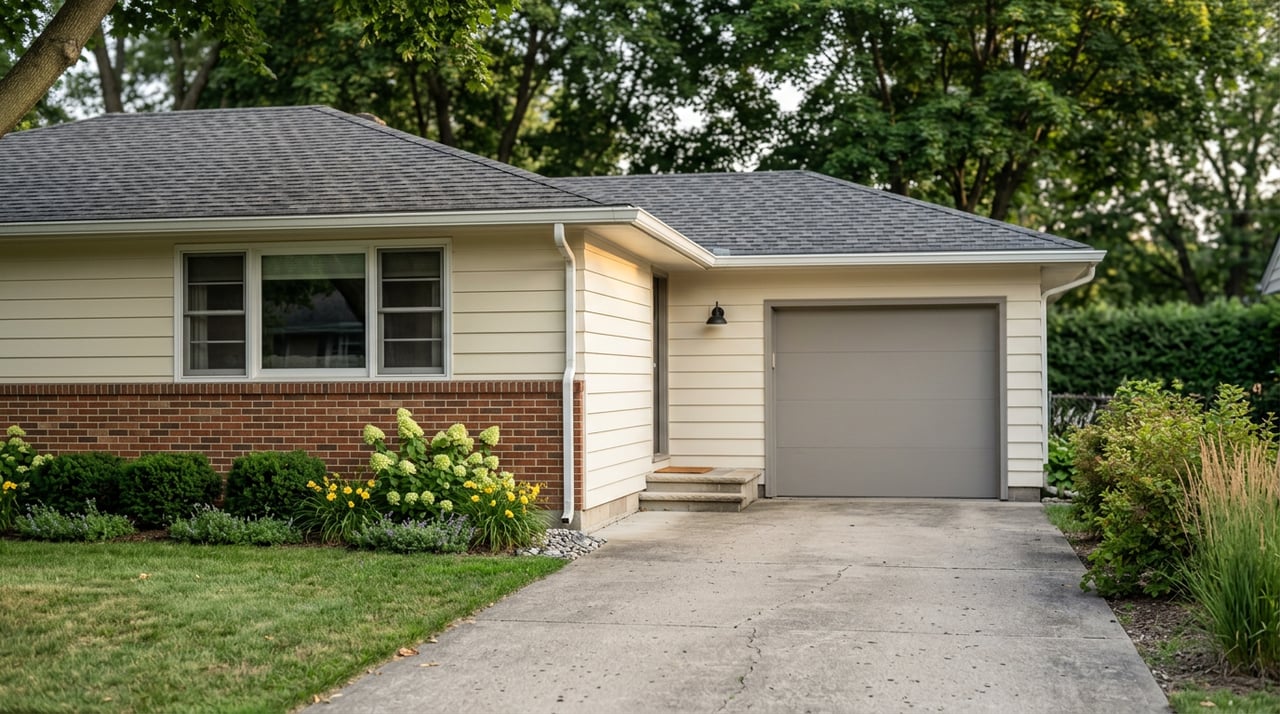
Most of the housing stock was built from the late 1970s through the early 1990s. In practical terms, that means you will see many established neighborhoods, mature lots, and homes that may offer more settled surroundings than newer-growth areas.
Housing mix in Eagan
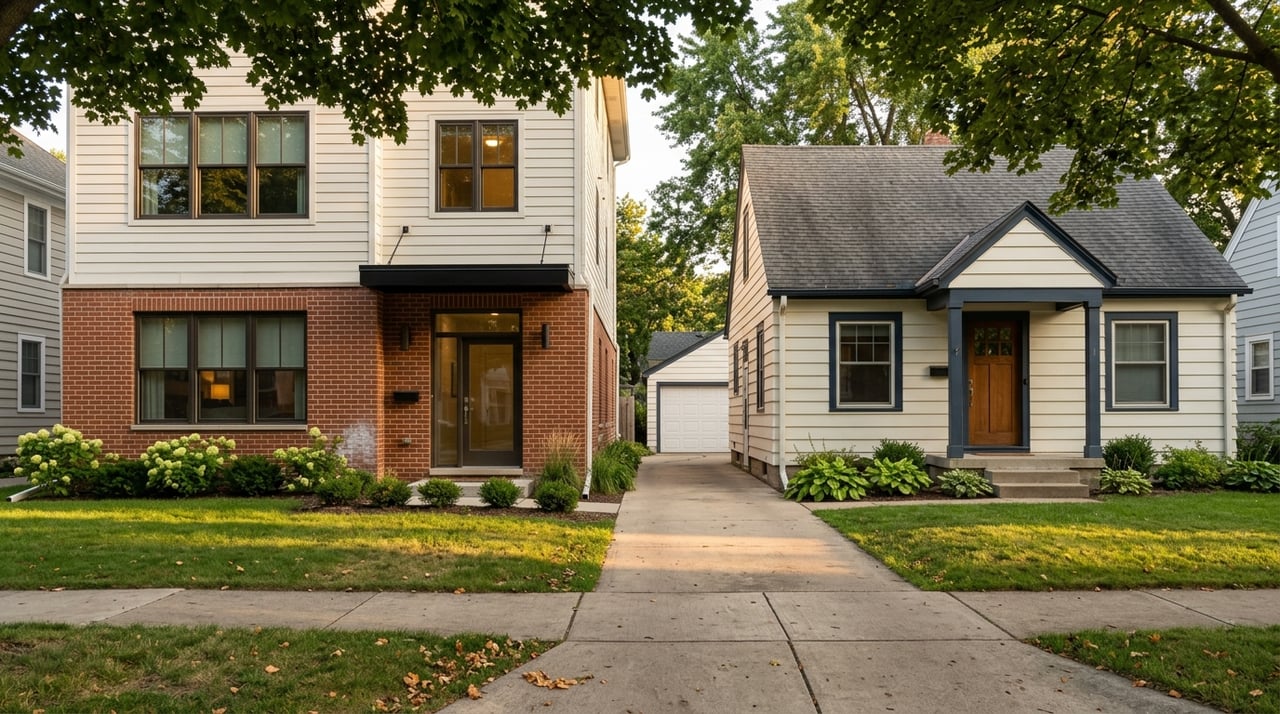
Eagan’s planning materials describe a balanced housing mix:
- 52% detached single-family homes
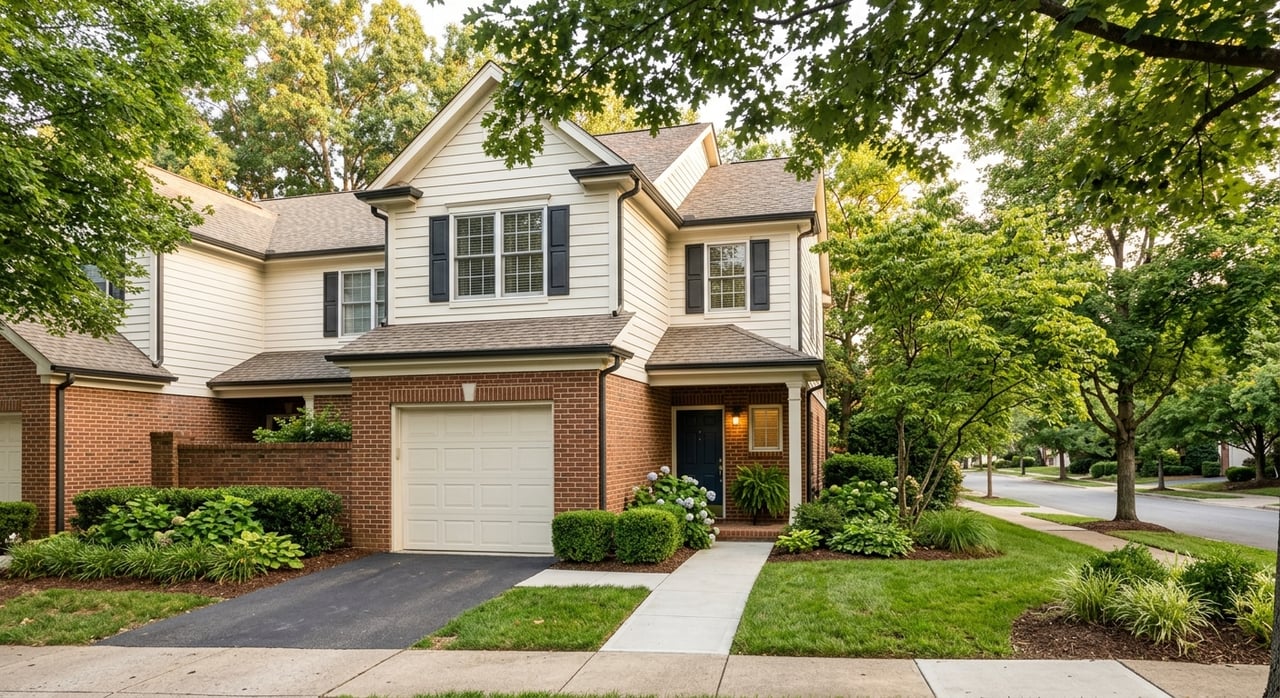
- 22% attached townhomes
- 26% multifamily apartment-style units
That gives you more variety than you might expect in a suburban market. Whether you want a detached home, a lower-maintenance townhome, or a rental while you learn the area, Eagan offers multiple paths.
What the numbers say
Current Census estimates show:
- 69.4% owner-occupied housing
- Median owner-occupied home value of $380,800
- Median gross rent of $1,604
Those figures help frame Eagan as a market with a strong ownership base and a meaningful rental segment. For many relocation buyers, that can make it easier to test the area through leasing first or to compare different property types before buying.
What established housing means for you
Older does not automatically mean outdated, and newer does not always mean easier. In Eagan, a lot of the housing inventory falls into that established range where condition, maintenance history, and renovation quality matter a lot.
That is especially important if you are comparing homes that may have had updates over time. A practical home evaluation can help you look past finishes and focus on how a property functions, what repairs may be coming, and whether the layout and lot still fit your goals long term.
Eagan commutes and regional access
For many people relocating, commute planning shapes the home search almost as much as price or square footage. Eagan performs well here because of both its road network and its position in the metro.
The city’s highway system centers on I-35E, I-494, Cedar Avenue/TH 77, TH 13, and TH 55. Local routes like Cliff, Diffley, Pilot Knob, Yankee Doodle, and Lexington help connect neighborhoods, shopping areas, and business districts.
Average commute times
According to the Census Bureau, Eagan’s mean travel time to work is 21.7 minutes. That is shorter than several nearby south-metro communities, including:
- Burnsville at 23.3 minutes
- Apple Valley at 24.6 minutes
- Rosemount at 28.1 minutes
It is also close to Bloomington at 21.0 minutes and Inver Grove Heights at 22.3 minutes. If you want suburban space without drifting too far from core job centers, Eagan lands in a very convenient range.
Transit options in Eagan
Driving is a major part of daily life for many residents, but Eagan also has transit support. The city says MVTA and the Metro Red Line are its main transit partners, with bus, park-and-ride, and rapid-transit options helping residents get around.
That can be helpful if your schedule varies, you commute to another part of the metro, or you simply want more than one transportation option available.
Local job access matters too
Eagan is one of the region’s larger employment nodes, with city planning documents citing a daytime population over 80,000. Major employers listed by the city include Thomson Reuters, Blue Cross Blue Shield of Minnesota, Prime Therapeutics, Ecolab, Wells Fargo, UPS, and USPS.
That gives you more than just a good outbound commute. It also means some buyers can reduce drive time by living close to work, and others can feel more confident choosing a home base with broad job access in multiple directions.
Everyday life in Eagan
A relocation decision is never only about the house. You also want to know what your regular week will feel like once the boxes are unpacked.
Eagan stands out for everyday convenience. It combines parks, recreation, shopping, and job access in a way that can make day-to-day life feel efficient without being overly dense.
Parks and outdoor space
Eagan Parks and Recreation lists 60 parks and more than 1,370 acres of public play space. That gives the city a strong neighborhood park system for casual daily use.
It also has a major regional asset. Dakota County says Lebanon Hills Regional Park in Eagan is the county’s largest park, with nearly 2,000 acres, plus trails, lakes, beach access, camping, and year-round outdoor recreation.
If outdoor access is part of your quality-of-life checklist, Eagan has real depth here. You are not relying on just one signature park or a few small green spaces.
Recreation and amenities
Beyond parks, city amenities include Cascade Bay, the Community Center, and the Eagan Art House. These kinds of facilities add to the sense that Eagan supports a very active everyday lifestyle.
For many relocation buyers, that means more options close to home when you want something to do after work or on weekends without planning a longer drive.
Shopping and errands
Twin Cities Premium Outlets in Eagan advertises more than 85 stores and sits near the Cedar Grove transit area. Combined with the city’s broader retail and service base, that helps support easy errand-running and day-to-day convenience.
That may not sound flashy, but it matters once you live there. Being able to combine commuting, shopping, dining, and recreation in a practical way is one of the reasons Eagan appeals to so many movers.
How Eagan compares nearby
If you are deciding among south-metro suburbs, Eagan often competes with Bloomington, Burnsville, Apple Valley, and Inver Grove Heights. The differences are not dramatic, but they do affect how the market feels.
Eagan vs. Bloomington
Bloomington’s housing is older on average, with city materials reporting a median year built of 1970 across all unit types and 74% of single-family housing built before 1970. Eagan is a little newer overall and offers a fairly balanced mix of detached homes, townhomes, and multifamily housing.
Commute times are very similar. Bloomington’s mean commute is 21.0 minutes, compared with 21.7 minutes in Eagan.
Eagan vs. Burnsville
Burnsville also has established housing, especially in areas developed between 1960 and 1980. Eagan is similar in being mostly built out, but its planning materials point to a slightly more balanced housing mix and a somewhat shorter average commute.
If you want a mature suburb with strong access, both can fit. Eagan may appeal if the commute edge and housing variety matter most to you.
Eagan vs. Apple Valley
Apple Valley is another mature south-metro suburb, with many single-family neighborhoods dating to the 1960s and 1970s and additional attached and multifamily housing added later. Eagan’s location closer to the airport and the central metro generally gives it a commute advantage.
The Census Bureau reports Apple Valley’s mean commute at 24.6 minutes. That gap may or may not matter to you, but over time, shorter daily travel can make a noticeable difference.
Eagan vs. Inver Grove Heights
Inver Grove Heights is in a similar convenience band, with a 22.3-minute mean commute and a 76.9% owner-occupied rate. Both areas can work well for buyers who want south-metro access without feeling too far from the urban core.
In that comparison, Eagan’s draw often comes down to its location between the downtowns, its employer base, and its strong combination of parks and retail.
Who Eagan fits best
Eagan tends to work well for buyers who want established neighborhoods, a range of housing types, and solid regional access. It is also a strong option if you want suburban convenience without moving into a market defined mainly by new construction.
You may find Eagan especially appealing if you want:
- An established single-family home neighborhood
- Townhome or condo options with lower maintenance
- Quick access to major highways
- A manageable commute to multiple job centers
- Strong park access and outdoor recreation
- Easy everyday shopping and errands nearby
Because the city is largely built out, your search may be less about waiting for future development and more about identifying the right existing home in the right location. That makes home condition, layout, and long-term fit especially important.
Tips for relocating to Eagan
A move to Eagan usually goes more smoothly when you match your home search to how you actually live. The city offers enough variety that your day-to-day priorities should drive the decision.
Here are a few smart starting points:
Start with your commute map
Look at where you need to go most often, not just where you go once in a while. Eagan’s regional access is a major strength, so it helps to choose a home that takes full advantage of the routes you will actually use.
Compare housing types honestly
Single-family homes, townhomes, and multifamily options all play a meaningful role in Eagan. Think about maintenance, monthly costs, privacy, and how long you plan to stay before deciding what fits best.
Pay attention to condition
Because much of Eagan’s housing was built decades ago, updates can vary widely from property to property. It helps to evaluate systems, workmanship, and likely repair timelines, not just finishes and staging.
Think beyond the house
Parks, shopping, job access, and recreation all shape your experience after closing. A home that looks great on paper may feel less convenient if it does not line up with your daily routines.
The bottom line on moving to Eagan
Eagan offers a practical mix of established housing, strong commute access, and everyday livability. It is not a blank-slate growth suburb, and that is exactly the appeal for many buyers.
If you want mature neighborhoods, access to major employers and transportation routes, and a city with real parks and recreation depth, Eagan is worth a close look. And if you want help sorting through home condition, repair risk, and which pockets of the city best match your routine, working with a calm, practical local guide can make the move feel much more manageable.
If you are thinking about relocating to Eagan, Kane Loukas can help you compare housing options, evaluate home condition, and make a confident move with low-pressure guidance.
FAQs
What is the housing market like in Eagan, Minnesota?
- Eagan’s housing stock is mostly established, with a mix of detached single-family homes, townhomes, and multifamily units, and very little residential land left for large new development.
What is the average commute time in Eagan?
- The U.S. Census Bureau reports a mean travel time to work of 21.7 minutes in Eagan.
Is Eagan a good place for buyers who want parks and recreation?
- Eagan has 60 parks, more than 1,370 acres of public play space, and access to Lebanon Hills Regional Park, which offers trails, lakes, beach access, camping, and year-round recreation.
How does Eagan compare with Apple Valley or Burnsville?
- Eagan is similar in having established housing, but it generally offers a shorter average commute than Apple Valley and Burnsville, along with strong highway access and a balanced housing mix.
Is Eagan mostly new construction or established neighborhoods?
- Eagan is mostly an established community, with most housing built from the late 1970s through the early 1990s and only about 2% of residential land remaining for future development.